
How Dentists Design Implant-Retained Dentures Around Existing Implants in Westerly, RI
A dentist restoring existing dental implants cannot design a new denture without first accounting for where those implants sit. Their positions, angles, restorative connections, and the surrounding gums and bone all limit which attachment systems and denture designs will work. That is why good implant denture design starts with what is already in your mouth.
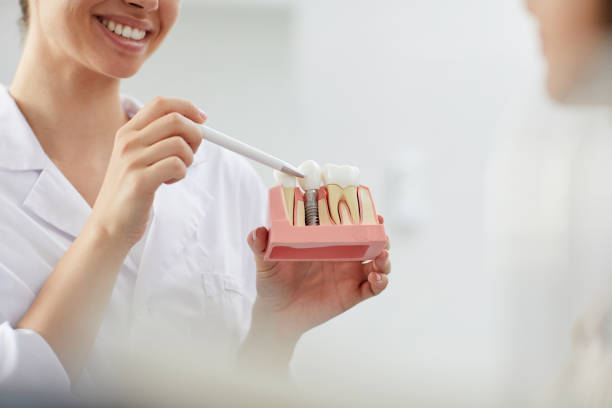
To see how this works, it helps to separate the three parts involved. The implant fixture is the existing implant anchored in your jawbone. On top of it sits the restorative abutment or attachment, the part that connects the implant to the denture. Together, these hold your implant-retained denture, a removable denture that clicks onto those attachments instead of relying on suction or adhesive alone.
The sections below follow that same path, from evaluating your implants to fitting the finished denture. At Wells Street Dental, our team restores implant-retained dentures in Westerly for patients whose implants were placed by a surgical specialist. This guide shows what to expect from dental implant restorations in Westerly, RI.
Why Do Existing Implant Positions Matter When Designing an Implant-Retained Denture?
Implant placement sets the limits, and denture design decides how to use the support within them. Because healed implants do not move, the same design can work well for one patient and poorly for another.
Implant Location Determines Where the Denture Can Receive Retention
The denture can only grip where an implant is, so implant location decides where the attachment housings sit. The dentist checks whether implants toward the front or back, and the spacing between them, line up with where the denture teeth need to go.
Implant Angulation Influences Attachment Selection
Implants that are not parallel can often still be used, but they narrow the choice of parts. A removable denture slides on and off along one path, called the path of insertion, and angled implants may not engage evenly along it. Each attachment system has its own angle limits, covered in the attachment section below.
The Number of Existing Implants Affects the Restorative Options
The number of implants is one factor, not the whole answer. No set number guarantees a particular denture, because spacing, bone support, and bite needs also matter, as the distribution section explains.
Implant Condition Matters as Much as Implant Position
A well-placed implant still has to be healthy enough to use. The dentist confirms each implant is stable, the surrounding gums and bone look healthy, and the connection is intact, then identifies your implant system, as the next section explains.
How Dentists Evaluate Existing Implants Before Designing a New Denture
The evaluation follows a set order: identify the implants, check their health, study the arch, then learn from any denture you already wear.
Reviewing the Original Implant System and Restorative Components
The first step is identifying your implant’s manufacturer, platform, and connection type, which decide which abutments and attachments will fit.
Records from the office that placed your implants help most. The dentist also checks any existing abutments and whether parts are still made, since not every older implant can accept modern parts. Our guide to restoring older dental implants covers this in more detail.
Examining Implant Stability and Peri-Implant Tissue Health
The dentist confirms each implant is stable and the tissue around it is healthy, using a clinical exam and imaging when needed. If a problem needs surgical or advanced gum treatment, you will be referred to a specialist first. This review is part of the full range of dental implant restoration options our team evaluates.
Assessing the Shape of the Dental Arch and Supporting Tissues
Implants hold the denture, but your gums and residual ridge, the bony ridge left where teeth used to be, often still help support it. The dentist studies the ridge shape, soft tissue, and available room, because a denture that presses unevenly can feel sore even when the attachments hold it.
Evaluating the Existing Denture, if the Patient Has One
Your current denture shows where your teeth have been set, how your bite comes together, and where it has worn. Past repairs, cracks near an attachment, or trouble with chewing and speech all point to changes worth making.
How Dentists Choose the Right Attachment System for Existing Dental Implants
The attachment system is chosen to fit your implants, denture design, available space, and care routine. There is no single best system.
Stud Attachments and How They Retain a Removable Denture
A stud attachment works like a snap. An attachment abutment screws onto each implant, and a metal housing in the denture holds a small retentive insert, often nylon, that clicks over it. The inserts wear with use and are replaced during routine maintenance.
Bar-Retained Dentures and How a Connecting Bar Changes the Design
A bar is a custom metal framework, made in a dental lab, that connects the implants. Clips or other attachment elements inside the denture grip the bar.
A bar is not automatically more stable or better. It suits some implant arrangements more than others, and the table below shows how the two approaches compare.
| Factor | Stud Attachments | Bar-Retained Design |
|---|---|---|
| How It Connects | Each implant has its own attachment | A framework joins the implants together |
| Space Needed | Often less vertical room | Usually more vertical room |
| Cleaning | Around each separate abutment | Under and around the bar |
| Lab Work | Simpler parts, often from the manufacturer | Custom-made framework |
| Upkeep | Retentive inserts replaced over time | Clips and bar checked over time |
| Fit for Divergent Implants | Depends on the system’s angle limits | A bar can sometimes bridge differences in angle |
How Implant Angulation and Restorative Space Influence Attachment Choice
Some attachments need a certain height to fit inside the denture, and others handle only a limited angle between implants. If your implants diverge too much or the bite leaves little room, some choices drop off the list.
Why the Most Retentive Attachment Is Not Always the Best Choice
A tighter grip is not always better. A denture that holds very firmly can also be hard to take out, especially for someone with arthritis or limited hand strength.
The dentist weighs retention against several other needs:
- How easily you can put the denture in and take it out
- Your hand strength and dexterity
- How stable the denture feels during chewing
- How quickly parts wear and need replacing
- How much space the parts take up
- How much the gums and ridge share the load
Good design is a balance. The aim is a denture that stays secure, feels comfortable, and fits into your daily routine.
Why Restorative Space Is Critical for Implant-Retained Denture Design
Restorative space is the room available for the denture teeth, base, and attachment parts. If that room is too tight, the design has to change.
Space Is Needed for Both the Denture Teeth and the Attachment Components
Each layer of the restoration takes up room, and the layers stack on top of each other. From the jaw up, the order is:
- The implant in the bone
- The abutment or attachment on top of the implant
- The housing set inside the denture
- The denture base around the housing
- The denture tooth on top
All five have to fit between your gums and the opposing teeth when you bite down.
Insufficient Space Can Affect Denture Strength
When space is tight, the denture material around an attachment housing can end up thin. Thin areas can be weaker, and in some cases they may be more likely to crack under chewing forces. This is one reason the dentist measures space before choosing parts, rather than after.
The Bite Determines How Much Room Is Available
Your bite sets the ceiling for the design. The dentist measures the space between your jaws when your teeth meet, called interarch space, and notes whether natural teeth or a denture sit on the opposing side.
How Dentists Adapt the Design When Space Is Limited
When space is short, the dentist looks for other ways to make the design work. Options the dentist may consider include:
- Attachments with a lower profile
- Different denture base materials or added reinforcement
- Small changes to where certain teeth are set, when appropriate
- A different type of prosthetic design altogether
Not every option works in every mouth, and the dentist will explain the trade-offs of each.
How Implant Distribution Affects Denture Stability and Movement
How your implants are spread across the arch affects which way the denture can move. The dentist designs the denture to control that movement, not just to hold it in place.
Why Implant Distribution Matters More Than Simply Counting Implants
The shape the implants form matters more than their count. Implants clustered in the front act a bit like a hinge, while implants spread wider support the denture from more directions.
How the Denture Rotates Around Retentive Attachments
Some implant-retained dentures tip slightly around their attachments when you chew, like a seesaw. In many designs, this small movement is expected, and the attachments and base are chosen to keep it controlled.
Why Posterior Tissue Support May Still Be Necessary
In many implant-retained overdenture designs, the gums in the back still carry part of the chewing load. That is why the back of the denture is shaped to rest well on the residual ridge, which limits rocking and spreads pressure.
How the Dentist Balances Retention, Stability, and Tissue Support
A denture that grips tightly but rocks in the back can still feel loose, and one that rests well but has weak attachments may lift during meals. The dentist chooses attachments, base coverage, and tooth position so that implant distribution, denture rotation, and tissue support work together.
How Dentists Design the Denture Base Around Implant Attachments
Once the attachment system is chosen, the dentist and lab build the denture base to hold those parts securely, rest comfortably on your gums, and stay easy to clean.
Positioning Attachment Housings Inside the Denture
Each housing must sit exactly over its attachment and fit inside the denture without crowding the teeth above it. A housing that is slightly off can keep the denture from seating fully.
Maintaining Sufficient Denture Base Strength
The base needs enough material around each housing to stay strong. Attachment placement, material thickness, and reinforcement are planned together. In some cases, the lab may add a metal framework or other reinforcement where the base would otherwise be thin.
Designing the Denture Around the Gum and Residual Ridge
The underside of the denture is shaped to match your gums and ridge. A close, even fit spreads pressure and helps prevent sore spots. It also supports the denture during chewing, which matters most in designs where the tissues share the load.
Creating a Denture That Can Be Removed and Cleaned Properly
The design also has to let you remove the denture and clean both it and the abutments each day. The American Dental Association advises brushing dentures every day with a soft brush and a non-abrasive cleanser, and your dentist will show you how to clean around the attachments.
How Dentists Restore Bite Height and Tooth Position With Implant-Retained Dentures
Your implants guide the design, but they do not decide where every tooth goes. The dentist sets your teeth for chewing, speech, facial support, and a comfortable bite, then checks that this plan still fits around the attachments.
Establishing the Correct Vertical Dimension of Occlusion
Vertical dimension of occlusion is the height of your face when your teeth come together. Too short can make the face look collapsed, and too tall can strain the jaw muscles. Because older dentures wear down, the right height may differ from what you are used to.
Positioning Denture Teeth for Chewing Function
Back teeth are set to meet evenly and spread chewing forces. The dentist plans these contacts around your opposing natural teeth, crowns, or denture, since balanced contact keeps the denture steady.
How Tooth Position Affects Speech and Lip Support
Front teeth help form sounds like “f,” “v,” and “s” and support your lips. Teeth set too far back can make the lips look sunken, while teeth set too far forward can feel bulky, so the dentist adjusts until speech and appearance feel natural.
Why the Final Tooth Arrangement Must Work With the Existing Implant Positions
Sometimes the ideal tooth position and the attachment location compete for the same space. A tooth may need to sit right over an attachment housing, which leaves less room for denture material.
The dentist weighs these trade-offs using the space-saving options described earlier. The goal is a design that looks and works well while keeping the denture strong.
How Implant-Retained Dentures Differ Between the Upper and Lower Jaw
The upper and lower jaws are shaped differently, so their dentures are designed differently. A plan that works well on the bottom may need changes on the top.
Lower Implant-Retained Dentures and Mandibular Anatomy
Lower dentures sit on a narrower ridge and share space with the tongue, which can lift a traditional lower denture. Implant retention helps here, but careful edges and tissue fit still matter for comfort.
Upper Implant-Retained Dentures and Maxillary Anatomy
Upper dentures can rest on the palate as well as the ridge. How much of the palate is covered depends on your implants and ridge support, and not every upper implant denture can be made without palatal coverage.
Why the Same Attachment and Denture Design May Not Work in Both Arches
Bone, tissue, space, and implant arrangement often differ between the jaws, so each arch is planned on its own and then matched for a balanced bite.
What Happens When Existing Implants Are Not Ideally Positioned for the Desired Denture?
The dentist designs within the limits your implants set. When those limits get in the way of the denture you want, the plan may need to change. Not every implant arrangement can support every design.
Implants Positioned Too Far Toward the Front or Back
Implants grouped near the front can let the back of the denture rock more, while implants set far back may crowd the back teeth. The dentist may adjust coverage, tooth arrangement, or attachment type to compensate, as described in the distribution section.
Implants With Different Angulations
Angled implants may still work with angle-correcting parts or a bar, as covered in the attachment section. If the divergence is beyond what available parts can handle, a different design may be needed.
Limited Space for Attachments or Denture Materials
When space is tight, the dentist draws on the options covered under restorative space, such as lower-profile parts, a reinforced base, or small changes to tooth position.
When a Different Prosthetic Design May Be More Appropriate
If the planned denture is not a good fit for your implants, the dentist may suggest a different attachment system or another type of prosthesis, such as an implant-retained partial denture when only some teeth are missing. If the existing implants cannot support the restoration predictably, the dentist will talk with you about coordinating with a specialist.
How Digital Impressions and Laboratory Planning Help Design Implant-Retained Dentures
The lab can only build what the records show. Accurate impressions of your implants and bite let the lab place each attachment and tooth where the dentist planned.
Recording Existing Implant Positions
The dentist records each implant’s exact position and angle, using impression parts or scan bodies that a digital scanner can read.
Recording the Relationship Between the Upper and Lower Jaws
The dentist also records how your jaws come together. This step, called bite registration, captures your bite height and jaw position. The lab uses it to set the teeth so they meet correctly.
Planning Attachment Locations and Denture Tooth Arrangement
The lab turns these records into a working plan. Technicians set the teeth, place the attachment housings, and shape the base to match the dentist’s design. Many cases include a try-in, where you test the tooth setup in wax or a trial denture before the final one is made.
Verifying the Fit Before the Final Restoration Is Delivered
Before the final denture is finished, the dentist checks attachment engagement, bite, and appearance, since adjustments are easier at this stage. Some cases are fully digital, while others combine scans with traditional impressions.
What Happens During the Final Fitting of an Implant-Retained Denture?
At the fitting, the dentist checks how the denture attaches, how it rests on your gums, and how your bite comes together. You also learn how to care for it at home.
Checking Attachment Engagement and Retention
The denture should seat fully and click onto each attachment as planned. The dentist checks that it holds securely but still comes out with reasonable effort. If retention feels too strong or too weak, the inserts can often be changed to adjust the grip.
Evaluating Tissue Contact and Pressure Areas
The dentist smooths any spots where the denture presses too hard. Follow-up adjustments may be needed as your tissues settle.
Checking Chewing Contacts and Bite Balance
Your bite is tested to make sure teeth meet evenly on both sides. Uneven contact can make the denture tip or put extra force on one implant. The dentist refines the contacts until the bite feels balanced.
Teaching Patients How to Insert, Remove, and Clean the Denture
You will practice inserting and removing the denture and learn how to clean it and the abutments, with instructions tailored to your design.
Planning Future Maintenance of the Attachments and Prosthesis
Implant-retained dentures need routine care over time. Retentive inserts wear and need replacing. The denture base may need a reline as your gums change. Regular visits let the dentist check your implants, attachments, and fit. If your denture ever cracks or loosens, our guide to denture repair and relines covers what can be fixed.
Can a New Implant-Retained Denture Be Designed Without Replacing the Existing Implants?
Often, yes. A new denture can usually be made on your current implants when they are healthy, positioned well enough for a workable design, and compatible with available parts. It is not guaranteed, though.
The answer depends on:
- How stable each implant is
- Whether parts are available for your implant system
- Which attachments fit your implant angles
- How much space your bite allows
- What you need the denture to do for chewing and speech
- The health of the gums and bone around each implant
A full evaluation gives you a clear answer for your own mouth.
Frequently Asked Questions About Designing Dentures Around Existing Implants
Can a dentist make a new denture for implants placed years ago?
Often, yes, if the implants are still healthy and compatible parts are available.
Does the position of my implants determine which denture I can have?
It has a strong influence, but your bite, available space, and ridge shape also shape the final design.
Can implants at different angles support a removable denture?
In many cases, yes. Some attachment systems and bar designs can handle angled implants, within each system’s limits.
What is the difference between implant-retained and implant-supported dentures?
Retention is about what holds the denture in place. Support is about what carries the chewing load. An implant-retained denture is held by the implants but may still rest partly on the gums. The two terms are often used loosely, which can cause confusion. Our article on how implant-supported dentures add stability explains the difference in more detail.
Do implant-retained dentures still rest on the gums?
Many do. In many designs, the gums and ridge share part of the chewing load, especially in the back of the mouth.
Can a denture be designed around an older implant system?
Sometimes. It depends on whether matching abutments and attachments are still made for that system.
Why does the dentist need to evaluate my bite before making an implant denture?
Your bite sets how much space the denture has and where the teeth go, which affects both chewing and stability.
Can implant-retained dentures be designed differently for the upper and lower jaw?
Yes. The upper and lower jaws differ in shape, bone, and available space, so each arch is planned on its own.
Implant-Retained Denture Restoration Planning in Westerly, RI
If you have existing dental implants and want a new or updated denture, the first step is a careful look at what you already have. Our restorative team at Wells Street Dental evaluates your implants, attachments, bite, and current denture, then walks you through the design options that fit your situation.
We provide dental implant restorations, including implant-retained dentures in Westerly, RI, for implants placed by a surgical specialist. We do not place implants ourselves, and we coordinate with your specialist when needed.
Our office is at 11 Wells Street, Westerly, RI, and we see patients from Westerly as well as nearby Pawcatuck and Stonington, CT. When you are ready, schedule an implant denture evaluation with our team.
