
Chipped Dental Implant Crown in Westerly: When Repair Works and When You Need a New Crown
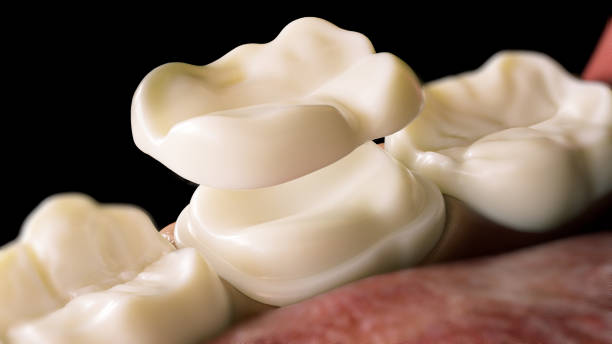
A chipped implant crown can look different depending on how much material is affected. Some chips are superficial, similar to a small loss of enamel-like ceramic on the surface. Others show up as a cosmetic edge chip or a porcelain fracture, and in some cases the damage extends into a larger structural crown fracture. Whether implant crown repair or full replacement makes more sense depends on the size of the chip, its location, the crown material, bite forces, crown stability, and whether the underlying structure is exposed.
This guide walks through what a chipped dental implant crown looks like, why it happens, and how a dentist decides between repair and replacement. For a broader look at implant restoration care in Westerly, RI, our main guide covers the full range of services. Wells Street Dental restores implants placed by outside specialists, so if you have concerns about a chipped implant crown in Westerly, RI, this article can help you know what to expect before your visit.
What Does a Chipped Implant Crown Look or Feel Like?
Not every chip announces itself right away. Many patients notice a change in texture before they see anything unusual in the mirror.
A Rough or Sharp Edge
The tongue often finds damage before the eyes do. If an implant crown feels sharp, or you notice a rough implant crown edge when you run your tongue over it, that’s frequently the first sign of a chipped dental implant crown, even before any visible piece is missing.
A Small Visible Piece Missing From the Crown
A cosmetic chip might look like a small notch or flat spot on the edge or surface of the tooth. It’s often painless and easy to miss unless you’re looking closely or someone points it out.
Exposed Darker or Different-Colored Material
Some implant crowns are built in layers, with an outer material bonded over an inner core. If a chip breaks through the outer layer, it can reveal a different shade or texture underneath. This doesn’t necessarily mean anything is structurally wrong, but it’s worth having evaluated.
A Change in the Shape of the Implant Tooth
A larger chip can alter how the tooth meets its neighbors, how your bite comes together, and how the tooth looks next to the rest of your smile. If you notice food catching differently between teeth, a change in how your bite feels, or the tooth looking uneven compared to nearby teeth, that’s a sign the chip may be affecting more than just the surface.
Why Do Dental Implant Crowns Chip?
Most chips have a straightforward, everyday cause. Understanding what led to the damage can also help prevent it from happening again.
Biting Hard Foods or Objects
Ice, hard candy, nutshells, pens, and other nonfood objects put concentrated pressure on a small area of the crown. This is one of the most common reasons a crown chips, and it usually happens without warning.
Teeth Grinding and Clenching
Bruxism, or repeated grinding and clenching, applies steady, repeated force to teeth and restorations over time. This kind of implant crown grinding often happens at night, when a person doesn’t realize how much pressure they’re applying. A bruxism implant crown can gradually weaken under that pressure, and a chipped implant crown from grinding sometimes appears without any single memorable incident.
Uneven Bite Pressure
When one part of the bite carries more load than the rest, that localized pressure can stress the crown’s material. This kind of implant crown occlusion issue, sometimes described as an implant crown high bite, can quietly wear at a restoration long before a chip appears. In many cases, a simple implant bite adjustment can correct the imbalance and protect the crown going forward.
Normal Material Wear Over Time
Like any dental restoration, an implant crown experiences gradual wear. Restorative materials can fatigue after years of normal chewing, making small chips somewhat more likely as a crown ages.
Trauma or Accidental Impact
A fall, a sports injury, or an accidental hard bite can chip a crown instantly. These chips tend to be more noticeable right away since they’re tied to a specific moment rather than gradual wear.
Is a Chipped Implant Crown the Same as a Broken Dental Implant?
This is one of the most common worries patients bring up, and the answer is reassuring for most people. When comparing an implant crown vs implant, it helps to understand that a chipped crown does not automatically mean the implant fixture underneath it is damaged.
According to the American Dental Association, a dental implant restoration is built from separate parts that work together: the implant fixture that anchors into the jawbone, the abutment that connects it to the visible tooth, and the crown that sits on top. Because the crown and the implant fixture are separate parts of the restoration, a chip in the crown does not automatically mean the implant fixture is damaged. A full evaluation is still the only way to know for sure. Dental implant crown problems can look similar on the surface, though, which is why a dentist evaluates the whole restoration rather than assuming based on appearance alone.
The Crown Is the Visible Restorative Part
The crown is the part of the restoration you see and chew with. It’s built using the same principles as other restorative dentistry in Westerly, RI, designed to look and function like a natural tooth while standing up to daily biting forces.
The Implant Fixture Is the Supporting Foundation
The implant fixture sits below the gumline and supports the crown from underneath. Because it’s not directly exposed to biting the way the crown is, a surface chip on the crown typically stays isolated to the restoration itself.
Why the Dentist Still Needs to Check the Entire Restoration
Even when a chip looks minor, a dentist should confirm that the crown is stable, the connection to the abutment is intact, the bite is even, the surrounding gum tissue looks healthy, and the implant itself still has solid support beneath it. This full check is what separates a simple cosmetic fix from a situation that needs more attention.
Can a Chipped Implant Crown Be Repaired?
Small, localized chips may sometimes be repaired or smoothed, while larger fractures often require a new crown. The right approach depends on how deep the damage goes and how it affects the tooth’s function.
Minor Surface Chips May Be Smoothed or Polished
When a chip is shallow and doesn’t compromise the crown’s structure, polishing the rough edge is sometimes enough. This works best when the remaining surface still looks and feels acceptable to the patient.
Some Cosmetic Chips May Be Repaired With Restorative Material
For chips that go a bit deeper but don’t threaten the crown’s strength, a dentist may be able to use restorative material to rebuild the missing portion. Whether this approach can help repair a chipped implant crown depends on the crown material, where the chip sits, its size, the bite, and how closely the repair needs to match in appearance. This is sometimes described as implant crown bonding repair, and options like ceramic crown chip repair can work well in the right circumstances, though results vary by situation and material.
Larger Fractures Usually Need More Than a Surface Repair
When a chip involves a larger portion of the crown or reaches into its structural layers, a surface repair often won’t hold up under normal chewing. These larger implant crown fractures are covered in more depth in our guide to broken implant crown repair, but in general, a new crown tends to be the more predictable, longer-lasting option.
When Does a Chipped Implant Crown Need Replacement?
Some signs point more clearly toward replacement than repair.
The Chip Is Large or Structural
When a significant amount of material is missing, or a visible fracture line runs through the crown, the remaining structure may not be strong enough to repair reliably.
The Crown Has Fractured More Than Once
If the same crown keeps chipping, that pattern often points to an underlying factor such as bite alignment, the crown material, grinding, or the restoration’s original design. Repeated fractures are usually a sign it’s time to look at the bigger picture rather than repairing the same spot again.
The Chip Affects the Bite
When a chip changes how the teeth come together, replacement is often the more reliable path to restoring a comfortable, even bite.
The Crown No Longer Looks Acceptable
A visible fracture, exposed underlying material, an uneven tooth shape, or a noticeable color mismatch can all be valid reasons to choose replacement, even when the damage isn’t extensive.
The Crown Is Already Old or Heavily Worn
A chip on a crown that’s already showing significant age-related wear is a different situation than a chip on a newer restoration. If you’re dealing with aging implant crowns, the chip may simply be one sign among several that the restoration has reached the end of its useful life.
Can the Implant Crown Be Replaced Without Replacing the Implant?
In many cases, yes. If the implant fixture and its connection to the abutment remain healthy, a damaged crown can often be replaced while the underlying implant stays exactly where it is. Many patients are relieved to learn they can replace an implant crown without replacing the implant itself, since this usually means placing a new crown on an existing implant rather than starting over completely. Your dentist can confirm whether this kind of implant crown replacement is the right fit once the damage has been fully evaluated.
Is a Chipped Implant Crown an Emergency?
Not every chip needs same-day attention, but some situations call for faster evaluation than others.
Small Chip Without Pain or Movement
A small, painless chip with no looseness usually isn’t an emergency. It should still be evaluated at your next available appointment so it doesn’t go unnoticed for months.
Sharp Edges Should Be Evaluated Promptly
A rough or sharp edge can irritate the tongue or inner cheek with repeated contact. This kind of chip is worth scheduling sooner rather than later, even without pain.
Pain, Swelling, or Crown Movement Needs Faster Evaluation
If a chipped crown comes with pain, swelling, or any sense of movement, that combination points to a more involved implant crown problem and deserves prompt attention. Wells Street Dental offers same-day emergency appointments for patients searching for an emergency dentist in Westerly, RI, in situations like this.
Crown Falls Off or Fractures Significantly
If the crown fractures badly or comes off entirely, try to save any pieces if you can. Avoid gluing it back on yourself, and contact your dentist as soon as possible.
What Should You Do if You Chip an Implant Crown?
A few simple steps can protect the tooth until you’re seen.
Avoid Chewing on That Side
Avoid chewing on the affected side of your mouth until the crown has been evaluated. This helps prevent the chip from getting worse before your appointment.
Save Any Broken Piece if You Can
If you’re able to find a broken piece, save it. It may help your dentist with the repair or replacement process.
Avoid Trying to File or Glue the Crown Yourself
Store-bought adhesives aren’t designed for dental restorations and can make the situation harder to treat. It’s best to leave any fix to a professional rather than filing or gluing the crown at home.
Contact a Restorative Dentist for Evaluation
Contact a restorative dentist for evaluation rather than waiting to see if the problem resolves on its own. If you’re searching for implant crown repair near Westerly, RI, or dental implant restoration near you, reaching out promptly to a dentist in Westerly, RI, gives your dentist the best chance to offer a simple, conservative fix.
How a Dentist Evaluates a Chipped Implant Crown
A thorough evaluation follows a clear sequence.
Inspect the Size and Depth of the Chip
The dentist first looks at whether the damage is superficial, cosmetic, or structural, since this determines which treatment options are realistic.
Identify the Crown Material
Repairability varies by material, so identifying what the crown is made of is an early step. This doesn’t guarantee a specific outcome, but it helps shape the conversation about repair versus replacement.
Check the Crown for Looseness or Deeper Fracture
A chip is a different problem than loose implant crown symptoms. The dentist checks whether the crown is still securely attached, since looseness points to a different underlying issue than a surface chip.
Evaluate the Bite
Heavy contact points, grinding patterns, and how the crown meets the opposing teeth all factor into both the cause of the chip and the plan going forward.
Assess the Underlying Implant and Surrounding Tissues
Even when the damage looks limited to the crown, the dentist checks the stability of the implant and the health of the surrounding gum tissue as part of a complete evaluation.
Does Implant Crown Material Affect Whether a Chip Can Be Repaired?
Crown material plays a meaningful role in how a chip behaves and whether it can be repaired.
Implant crowns are made from a range of materials, including ceramic, porcelain, zirconia, and porcelain-layered restorations that combine more than one material. Each behaves a little differently under pressure, and repairability isn’t guaranteed for any specific type.
Small Ceramic or Porcelain Surface Chips
Minor chips in a ceramic implant crown or a porcelain implant crown surface are sometimes candidates for polishing or bonded repair, depending on depth and location.
Larger Fractures May Expose the Underlying Material
When a fracture goes deeper, it can expose the core material beneath the outer layer. This can affect both appearance and how strong the remaining structure is.
Monolithic and Layered Crowns Can Fail Differently
A zirconia implant crown made from a single solid material tends to fail differently than a layered crown built from separate bonded materials. Neither type is immune to chipping, and the right response depends on the specific damage rather than the material alone.
How Bite Forces Affect Implant Crown Chipping
Understanding how bite force interacts with an implant crown helps explain why chips happen in the first place.
Implant Crowns Do Not Have the Same Shock Absorption as Natural Teeth
Natural teeth are cushioned by a structure called the periodontal ligament, which allows for a small amount of give under pressure. Implants are anchored directly into bone through a process called osseointegration, described by the American Dental Association, which means an implant crown doesn’t have that same natural cushioning. Depending on the crown material, this can make implant restorations somewhat more exposed to concentrated bite force than a natural tooth would be.
Grinding and Clenching Can Concentrate Force
Bruxism repeatedly loads the same surfaces, which can accelerate wear or contribute to a chip over time, especially with nighttime grinding that a patient may not be fully aware of.
A Bite Adjustment May Help Protect the New or Repaired Crown
When the evaluation reveals an uneven bite, an implant bite adjustment can help distribute pressure more evenly and reduce stress on the restoration going forward.
A Nightguard May Be Recommended for Some Patients
For patients who grind or clench, a nightguard may be recommended as part of protecting a new or repaired crown. This is an individualized recommendation based on your specific bite and habits, not a routine add-on for every patient.
How Long Can a Repaired Implant Crown Last?
There’s no single timeline that applies to every repair, and implant crown repair longevity varies from patient to patient. How long implant crown repair lasts depends on the size of the original chip, the crown material, where the damage was located, ongoing bite forces, grinding habits, the repair method used, and how well the restoration is maintained afterward.
Some repairs hold up well for years, while others are best thought of as conservative maintenance rather than a permanent substitute for a new crown. Your dentist can give you a more specific sense of implant crown lifespan once they’ve seen the extent of the damage.
How Much Does Chipped Implant Crown Repair Cost in Westerly, RI?
Cost depends heavily on what the treatment actually involves.
Repair and Replacement Have Different Cost Structures
A simple polish costs less than a localized repair, and both are typically less involved and less costly than removing the crown for a full implant. Imaging, crown material, lab work, and any needed bite adjustment can all affect the total. Because every case is different, the most accurate chipped implant crown repair cost, or overall dental implant restoration cost in Westerly, RI, comes from an in-person evaluation.
Does Dental Insurance Cover Implant Crown Repair?
Insurance benefits vary significantly by plan and by whether the treatment is classified as repair or replacement. Checking your specific coverage ahead of your visit can help you understand what to expect before treatment begins.
Frequently Asked Questions About Chipped Implant Crowns in Westerly, RI
Can a tiny chip in an implant crown be polished?
Often, yes. If the chip is shallow and doesn’t affect the crown’s structure, polishing the rough edge is sometimes all that’s needed.
Can a chipped implant crown be bonded?
Sometimes. Bonded repair can work for certain cosmetic chips, but it depends on the crown material, the chip’s size and location, and how well a repair can match the surrounding tooth.
Does a chipped crown mean the dental implant is damaged?
Not necessarily. The crown and the implant fixture are separate parts of the restoration, so a chip in the visible crown doesn’t automatically mean the implant underneath is affected. A full evaluation is still the best way to confirm this.
Can I keep eating with a chipped implant crown?
It’s best to avoid chewing directly on that side until a dentist has evaluated the damage. This helps prevent the chip from getting worse before your appointment.
Will the whole implant need replacement if the crown chips?
Usually not. In most cases, only the crown needs attention, and the implant fixture can often stay in place.
Can a chipped zirconia or porcelain implant crown be repaired?
It depends on the size, material, location, and how the chip affects your bite. Some chips in these materials can be repaired, while more significant fractures typically need a new crown.
What happens if the implant crown keeps chipping?
Recurring chips are usually a sign that something else needs attention, such as bite alignment, grinding habits, or the original crown’s design. Your dentist can help identify the underlying cause rather than just repairing the same spot again.
Schedule a Chipped Implant Crown Evaluation in Westerly, RI
If you’ve noticed a chip, a rough edge, or a change in how your implant crown looks or feels, the first step is a proper evaluation. At Wells Street Dental, our team assesses the extent of the damage, discusses whether repair or replacement makes more sense, and focuses on preserving your existing implant whenever it’s healthy and stable.
Schedule an implant crown evaluation at Wells Street Dental, 11 Wells Street, Westerly, RI, to talk through your symptoms and treatment options with a team that focuses on comfort, clarity, and long-term results.
